
Parents naturally compare their child’s growth to siblings, classmates, and friends. While children develop at different rates, consistently slower growth can sometimes raise important questions. In many cases, a child who is shorter than average is completely healthy. In others, slow growth may be the first sign of an underlying medical condition that deserves further evaluation.
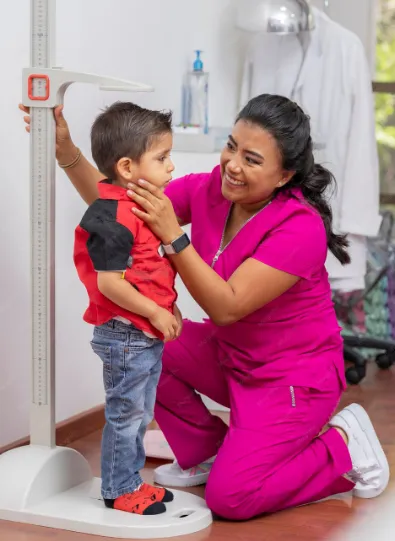
Knowing when to seek expert guidance can help families better understand their child’s growth potential and overall health.
Height Is Only One Piece of the Puzzle
A child’s current height doesn’t always tell the full story. Healthcare providers pay close attention to how a child has been growing over time rather than focusing on a single measurement.
During a growth evaluation, physicians often consider:
-
Growth velocity over several years
-
Height percentile trends
-
Weight gain and nutrition
-
Family height history
-
Bone age
-
Puberty progression
-
General health and medical history
This broader perspective helps distinguish between normal growth variations and conditions that may require additional attention.
What Can Cause Slow Growth?
There are many reasons a child may grow more slowly than expected.
Some of the most common include:
-
Constitutional delay of growth and puberty
-
Familial short stature
-
Growth hormone deficiency
-
Thyroid disorders
-
Nutritional deficiencies
-
Digestive conditions such as celiac disease
-
Chronic inflammatory illnesses
-
Kidney disease
-
Certain genetic syndromes
Each condition affects growth differently, which is why a thorough medical evaluation is important before drawing conclusions.
Signs Parents Shouldn’t Ignore
Although every child develops differently, certain changes may warrant a discussion with a healthcare provider.
These include:
-
Growing significantly less than expected over the course of a year
-
Falling across multiple height percentiles
-
Delayed puberty compared with peers
-
Poor weight gain
-
Persistent fatigue
-
Chronic digestive symptoms
-
A noticeable slowdown in overall development
These findings don’t automatically indicate a serious problem, but they can help identify children who may benefit from additional testing.
What Happens During a Pediatric Growth Evaluation?
Specialists use several tools to better understand why a child may not be growing as expected.
The evaluation may include:
-
Review of growth charts
-
Complete medical history
-
Physical examination
-
Bone age X-ray
-
Blood tests
-
Assessment of pubertal development
-
Nutritional review
The goal is to identify whether the child is experiencing a normal variation in growth or whether an underlying medical condition should be addressed.
Exploring Treatment Possibilities
Not every child with short stature requires medication. Many children simply grow later than their peers or inherit their height from their family.
For children diagnosed with certain endocrine disorders, physicians may discuss therapies that support normal growth and development. Parents searching for information about Hgh height growth should understand that treatment decisions are individualized and based on a complete medical assessment rather than height alone.
Growth velocity, laboratory results, bone age, predicted adult height, and overall health all help guide treatment recommendations.
Understanding Financial Considerations
If treatment becomes appropriate, families often have questions about insurance and affordability.
Because coverage policies vary widely, Growth hormone treatment costs may differ depending on the diagnosis, insurance provider, treatment duration, and available assistance programs.
Having these conversations early allows parents to better prepare for potential expenses and understand what resources may be available.
Why Early Evaluation Can Be Valuable
Childhood and adolescence provide a limited opportunity for natural height growth.
As growth plates mature and eventually close, the body’s ability to gain additional height decreases. Seeking medical evaluation early gives healthcare providers the opportunity to determine whether observation, additional testing, or Height treatment should be considered while meaningful growth potential still remains.
Even when treatment isn’t necessary, families often benefit from understanding why their child is growing at a particular pace.
Final Thoughts
Every child follows a unique growth journey, and being shorter than average doesn’t necessarily mean something is wrong. However, monitoring growth carefully and recognizing changes over time can help identify children who may benefit from further evaluation.
By working closely with experienced healthcare professionals, parents can gain a better understanding of their child’s development and ensure they receive the most appropriate care to support healthy growth throughout childhood.