
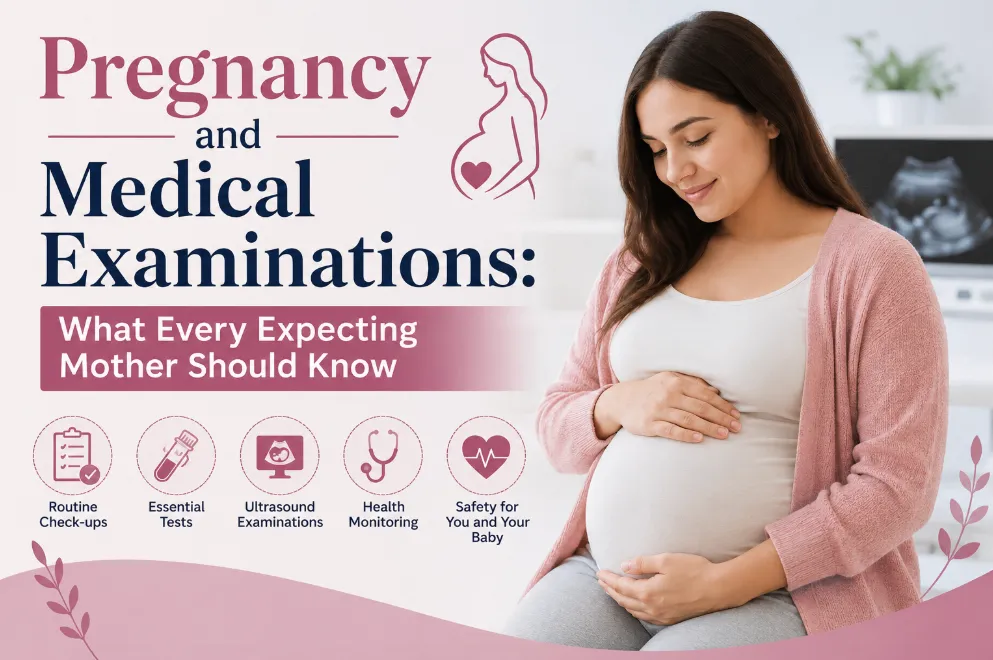
What every expecting mother needs to know about pregnancy and medical examination.
One of the most crucial times in a woman’s life is pregnancy. A mother’s health has a direct impact on her baby’s growth and development in these months. Good nutrition, adequate rest and emotional health are important but nothing is more important than regular medical checks of the woman and her unborn child.
Not all prenatal checkups are commonplace appointments. They provide health care workers with the means of tracking the health of the mother and the fetus, early detection of possible issues, and information that can help ensure a safe and healthy pregnancy. For women who feel they are perfectly healthy, it’s important that they stick to all their prenatal appointments, since many conditions that can arise during pregnancy don’t show through any symptoms.
Prenatal checkups are important for the following reasons
Each pregnancy is different and frequent medical checkups help to make sure mother and fetus are developing appropriately. Health care professionals will monitor various factors during pregnancy, such as fetal growth, fetal heartbeat, fetal weight gain, and blood pressure.
As well as these appointments are a chance for a woman to voice her symptoms, ask questions and receive personalized advice about nutrition, exercise, medication and lifestyle changes.
Having health problems identified early in pregnancy may lead to a better management of the health problem, and to good outcomes for the mother and child.
Common Medical Examinations During Pregnancy
The normal obstetric tests that are performed in pregnancy are to check the mother and the fetus’ health and wellbeing.
These can vary from pregnancy to pregnancy and from person to person and may include:
• General physical examination
• Blood pressure monitoring
• A blood test and urinalysis
• Ultrasound scans
• Blood sugar screening
• Haemoglobin assessment
• Fetal heartbeat monitoring
Nutrition Plays a Vital Role
Nutrition is an important factor in a wide range of human activities.
The first step towards a healthy pregnancy is a healthy diet. The body also requires additional calories and nutrients, for the baby’s needs and for the mother’s good health.
Fruits, Vegetables, Whole Grain, Lean Proteins, Dairy Products, Healthy Fat, and Adequate fluid are a healthy diet. Folic acid, iron, calcium and protein are all important nutrients which have a beneficial effect on fetal growth and the mother’s health.
Growing women should only seek guidance from trusted health care practitioners, not from trendy diets and supplements that have not been tried and tested.
Emotional Health is a Must Also!
Both physical and emotional changes occur during pregnancy. Sometime there is stress or anxiety due to hormonal changes, changes in lifestyle and even worries regarding childbirth.
Therapy of emotional wellness is a part of prenatal attention. Confidence gains can be gained through the expectant mother’s pregnancy by sharing freely with family members, attending prenatal support groups, employing relaxation strategies and maintaining regular communication with health care providers.
Medical care is not the only way to support a healthy pregnancy, emotional support, healthy habits, informed decision making will help as well.
When traveling while pregnant: Make plans ahead of time.
A large number of women go abroad while pregnant for personal, family or work. It’s best to speak with your health care provider before traveling to make sure that travelling is safe for you and your baby based on your stage in pregnancy and overall health.
When travelling, remember to have the history of your pregnancies, drink plenty of water, make frequent short breaks to keep blood flowing and don’t overwork yourself. These straightforward measures will help to make travel easier and limit health risks.
Recognizing symptoms and signs which warrant medical assessment
While all pregnant women might have normal pregnancies, there are certain indications that should not be ignored. If you have any of these symptoms, get medical attention right away:
• Heavy vaginal bleeding
• Severe abdominal pain
• Chronic headaches or vision problems
• High fever
• Sudden hands or face swelling
• A decrease in the movement of the fetus in the later part of pregnancy.
• Continuous fluid leakage
Early medical evaluation may help detect complications early and enhance the outcomes for both mother and baby.
The Role of Employers in Prepping for International Employment During Pregnancy
There may be women who already have employment prospects overseas prior to their pregnancy, or there may be women who wish to take up a job offer overseas after they become pregnant. In this instance, it is essential to be aware of the medical needs of the country to which you are traveling.
A significant number of employers ask for a general medical exam prior to hiring. Prior to travel and/or work decisions, always consult your health care professional if you are pregnant. Each pregnancy is unique and recommendations are based on individual health and should not be based on presumptions.
GCC Countries Understanding Medical Examinations
In the GCC countries, women who apply for work and long-term residence could have to undergo a medical examination at an approved Wafid (formerly GAMCA) medical center depending on the type of visa and country regulations.
The aim of this examination is to assess an applicant’s overall medical suitability for the medical requirements set by the Gulf Cooperation Council (GCC) authorities. Having a baby does not supersede the need for medical guidelines to be followed. Candidates are requested to read the instructions carefully from the authorised medical centre and ask questions if there is a need for more medical documentation or medical advice.
When you are considering starting your career in a GCC country, it is important to know what is involved in the GAMCA medical appointment process before you schedule your medical examination so this may help you understand what steps you need to take before you book an appointment.
Final Thoughts
Being pregnant is one journey that calls for attention, patience as well as informed decisions in healthcare. Regular medical check-ups can help monitor the health of the mother and baby and can help recognize potential problems early.
When women have the added consideration of overseas employment, it’s a good idea to understand the medical needs of the country they’ll be working in.